The history of clavos for doors.
Posted on
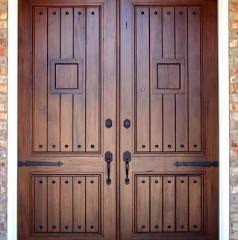
Decorative clavos have a rich history, evolving from purely functional, heavy iron nails in Spanish and Mediterranean architecture to a popular aesthetic element in modern design. Originally used to secure and reinforce wooden planks on doors, gates, and chests, their role transitioned as modern construction and fasteners emerged. Today, clavos are prized for adding a rustic, old-world charm, texture, and character to doors in various architectural styles.
Functional origins
Medieval reinforcement: Clavos originated in ancient times but flourished in Spanish and Moorish architecture, particularly on fortress doors and gates.
Security: They served a crucial practical purpose by holding heavy wooden planks together and reinforcing them with iron to create sturdy and secure structures.
Defense: On fortified buildings, these large, decorative nail heads also offered a layer of defense against siege and weather.
The evolution to decoration
Modernization: With the rise of modern construction techniques, the need for large, exposed nails decreased.
Aesthetic choice: As modern fasteners became smaller or concealed, the bold, visible nail head began to be used purely as a decorative element rather than a structural necessity.
Symbol of craftsmanship: Clavos became a way to add visual interest, texture, and a sense of authentic, handmade craftsmanship to wooden features, even on modern doors.
Modern-day use
Architectural styles: Today, clavos are popular in styles like Southwestern and Spanish Revival, but are also used on garage doors, gates, and even interior furniture to add character.
Aesthetic impact: They are used to enhance a door's appearance, create a rustic feel, and highlight the door's architectural design.
Material and design: Clavos are now made from various materials like wrought iron, bronze, and steel and come in different designs, including round, square, and pyramid heads.
By understanding this history, it's clear that clavos are more than just decorative hardware; they are a small piece of architectural history that continues to add a distinctive touch to our homes today.
CATEGORY : Door & Gate Hardware
LEAVE A COMMENT